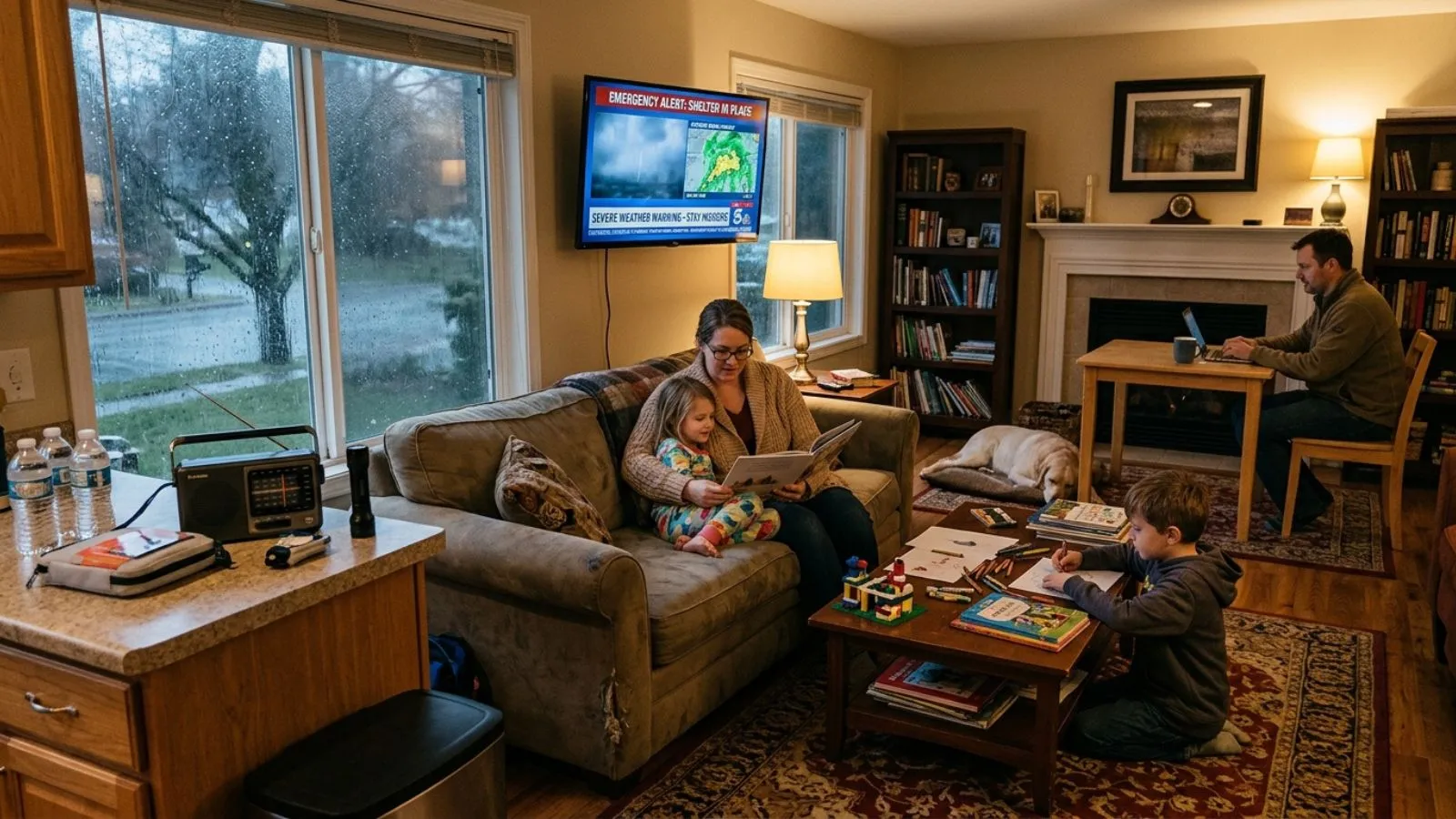
In today’s world, emergency alerts can appear suddenly on your phone, at schools, workplaces, or public places with instructions like “shelter in place.
For many people, this phrase sounds confusing or even alarming because it is not always clear what action is required should you leave the area, stay indoors, or prepare for something serious? The uncertainty can create panic if you don’t understand it properly.
The term “shelter in place” is commonly used during emergencies such as severe weather, chemical leaks, security threats, or other situations where staying outside may be more dangerous than remaining indoors. Instead of evacuation, authorities instruct people to stay where they are and take immediate safety precautions.
Understanding this instruction is important for your safety and peace of mind. In this article, we will clearly explain the meaning of shelter in place, when it is used, and what steps you should take if you ever receive such an alert.
What Does “Shelter in Place” Mean?
The phrase “shelter in place” means you should stay exactly where you are and take immediate steps to protect yourself indoors during an emergency. Instead of leaving the area or trying to escape, you are instructed to remain inside because going outside may expose you to greater danger.
In simple terms, it is a safety instruction used by authorities when the outside environment is unsafe due to an ongoing or potential threat. This could include natural disasters, chemical leaks, or security incidents. The main idea is to reduce exposure to danger by staying in a controlled, secure indoor space until the situation improves.
Unlike evacuation, where people are asked to leave the area completely, shelter in place focuses on immediate protection inside a building. You are expected to close doors and windows, stay away from outside air if necessary, and follow official updates carefully.
This instruction is not meant to create panic but to keep people safe until emergency services resolve the situation. It is usually short-term but can vary depending on the severity of the event.
Understanding this meaning helps you respond calmly instead of reacting emotionally. Many people confuse it with lockdown or evacuation, but it is actually a specific safety response designed for situations where staying indoors is the safest option available.
Origin and Use of “Shelter in Place”
The term “shelter in place” comes from modern emergency management systems designed by safety and disaster response authorities. It is mainly used by organizations such as civil defense agencies, law enforcement, and emergency management departments to give clear and quick instructions during dangerous situations.
Over time, the phrase became more common in public safety communication, especially in schools, workplaces, hospitals, and large public spaces. Instead of giving long explanations during emergencies, authorities use this short and direct instruction so people can react immediately without confusion.
The use of “shelter in place” has increased in recent decades due to more frequent natural disasters, industrial accidents, and security threats. It is now widely recognized in many countries as a standard emergency response term.
In schools, for example, students and staff are trained to follow shelter in place procedures during drills or real emergencies. That workplaces, especially factories or chemical plants, it is used when there is a risk of hazardous material exposure outside public safety systems, it may also be announced through mobile alerts, sirens, or broadcast warnings.
The main purpose behind using this term is clarity and speed. During emergencies, people may panic or misunderstand complex instructions. A simple phrase like “shelter in place” reduces confusion and helps ensure everyone takes the correct action quickly.
Today, it has become an essential part of emergency preparedness and communication systems, helping protect people in unpredictable and potentially dangerous situations.
When Is “Shelter in Place” Issued?
A “shelter in place” order is issued when authorities determine that staying indoors is safer than trying to leave or move outside. It is used in situations where the outside environment is dangerous, unstable, or unpredictable, and immediate evacuation could put people at greater risk.
4.1 Natural Disasters
One of the most common reasons for this instruction is severe weather. Events like tornadoes, strong thunderstorms, or high winds can make outdoor conditions extremely unsafe. In such cases, people are advised to stay inside a secure building until the danger passes.
4.2 Chemical or Environmental Hazards
Shelter in place is also used during chemical spills, gas leaks, or industrial accidents. If harmful substances are released into the air, going outside can expose individuals to toxic conditions. Staying indoors helps reduce exposure until the area is safe again.
4.3 Security Threats
In some cases, this instruction is given during security-related incidents such as nearby police activity, active threats, or public safety risks. People are asked to stay indoors to avoid potential danger until the situation is under control.
4.4 Health or Public Safety Emergencies
During certain large-scale health emergencies or airborne risks, authorities may advise people to stay indoors to limit exposure and prevent further spread.
What You Should Do During Shelter in Place
When a shelter in place alert is announced, your response in the first few minutes is very important. The goal is to stay calm, act quickly, and move to a safe indoor location without exposing yourself to outside danger.
5.1 Move Indoors Immediately
If you are outside, go inside the nearest secure building as fast as possible. If you are already indoors, stay where you are and avoid unnecessary movement.
5.2 Choose the Safest Room
Try to move to an interior room with no or few windows, such as a hallway, bathroom, or basement. The idea is to create distance from outside air and potential hazards.
5.3 Secure Doors and Windows
Close all doors and windows tightly. If the situation involves air contamination (like smoke or chemicals), sealing gaps can help reduce exposure.
5.4 Turn Off Ventilation Systems
If instructed by authorities, turn off fans, air conditioners, and heating systems that pull air from outside. This helps prevent contaminated air from entering the building.
5.5 Stay Updated with Official Information
Use a phone, radio, or trusted emergency alerts to follow official instructions. Do not rely on rumors or unverified social media updates.
5.6 Stay Calm and Stay Put
Avoid panic and unnecessary movement. Stay with others if possible and wait for official confirmation that it is safe to leave.
What You Should NOT Do During Shelter in Place
During a shelter in place order, knowing what not to do is just as important as knowing the correct steps. Many people make mistakes out of panic or curiosity, which can put them in greater danger.
🚫 Do Not Go Outside
Even if things seem normal or quiet, do not step outside to check the situation. The danger may not be visible, and exposure could be harmful.
🚫 Do Not Evacuate Unless Told
Shelter in place is different from evacuation. Leaving your location without official instructions can expose you to unsafe conditions or worsen your safety risk.
🚫 Do Not Open Windows or Doors
Opening windows or doors can allow contaminated air, smoke, or harmful substances to enter your safe space, especially during chemical or environmental emergencies.
🚫 Do Not Use Unnecessary Travel
Avoid driving or walking outside unless emergency services clearly instruct you to do so. Roads may be unsafe or blocked.
🚫 Do Not Spread Rumors
In emergencies, misinformation spreads quickly. Avoid sharing unverified news on social media or messaging apps, as it can create confusion and panic.
🚫 Do Not Ignore Official Instructions
Always follow alerts from trusted authorities such as emergency services, police, or government agencies. Ignoring instructions can increase danger for you and others.
Shelter in Place vs Evacuation
People often confuse shelter in place with evacuation, but they are two completely different emergency responses. Understanding the difference is very important because acting on the wrong instruction can put your safety at risk.
Shelter in place means you should stay inside a building and take protective steps to stay safe. It is used when the danger is outside, and moving out could expose you to harmful conditions. In this situation, your priority is to secure your indoor environment, stay away from external air, and wait for official updates.
On the other hand, evacuation means you must leave the area immediately and move to a safer location. This instruction is given when the place you are in has become unsafe and staying indoors is no longer a good option. In evacuation scenarios, quick movement and following designated routes or instructions from authorities are essential.
The key difference lies in direction of safety action:
- Shelter in place = Stay where you are (protect inside)
- Evacuation = Leave immediately (move to safety elsewhere)
Another important point is timing. Shelter in place is often used for short-term threats like chemical leaks or sudden outdoor dangers, while evacuation is used when long-term or severe risks make the entire area unsafe.
Confusing these two can lead to dangerous decisions, such as leaving a safe building during a harmful outdoor situation or staying inside when evacuation is required.
Common Misunderstandings About Shelter in Place
Even though the term “shelter in place” is widely used in emergency alerts, many people still misunderstand what it actually means. These misunderstandings can lead to confusion or incorrect actions during real emergencies.
❌ It means a long-term lockdown
One common myth is that shelter in place always means you must stay indoors for a very long time. In reality, it is usually a temporary safety instruction that lasts until the immediate danger is under control.
❌ It is only related to crime situations
Many people assume it is only used during violent incidents like police activity or active threats. However, it can also be issued for natural disasters, chemical leaks, and environmental hazards.
❌ It is the same as staying at home normally
Some think it simply means staying at home as usual. But shelter in place is different because it requires specific safety actions, such as securing rooms, closing ventilation, and following emergency updates.
❌ You can ignore it if things look normal
Another dangerous misunderstanding is assuming everything is safe just because you cannot see the threat. Many dangers like gas leaks or airborne hazards are not visible, so ignoring the instruction can be risky.
❌ It always means panic or danger is extreme
While it is a serious instruction, it does not always mean catastrophic danger. It is often used as a preventive safety measure to protect people early.
How to Prepare in Advance for Shelter in Place Situations
Being prepared ahead of time can make a big difference in how safely and calmly you respond during a shelter in place emergency. Since these situations often happen without warning, having a basic plan and essential supplies ready can reduce panic and improve safety.
🧰 Keep an Emergency Kit Ready
Prepare a small emergency kit that includes drinking water, basic food items, a flashlight, batteries, a first-aid kit, necessary medications, and a portable phone charger. These items can help you stay comfortable if you need to remain indoors for several hours.
🏠 Identify Safe Areas in Your Space
Choose a safe room in your home, school, or workplace in advance. Ideally, it should be an interior room with minimal windows, such as a bathroom, hallway, or basement. Knowing this in advance saves valuable time during an emergency.
📱 Enable Emergency Alerts
Make sure your mobile phone is set to receive emergency notifications. These alerts provide real-time instructions from local authorities and can help you react quickly.
👨👩👧 Have a Family Communication Plan
Plan how you will contact family members during emergencies. Decide on a meeting point or communication method in case you are separated.
📻 Stay Informed
Learn how to access reliable information through radio, official apps, or government alerts instead of depending on unverified social media updates.
🧠 Stay Mentally Prepared
Understanding what shelter in place means in advance helps reduce panic and allows you to respond calmly when it happens.
Role of Authorities and Emergency Systems
During a shelter in place situation, emergency authorities play a very important role in keeping the public safe and informed. These instructions are not random—they are carefully issued by trained organizations such as local disaster management teams, police departments, and emergency response agencies.
When a potential danger is detected, authorities quickly assess the situation and decide whether people should evacuate or shelter in place. If staying indoors is safer, they issue a clear instruction to remain inside and take protective actions. This decision is based on real-time data, expert analysis, and safety risk levels.
Emergency alerts are delivered through multiple systems to ensure maximum reach. These can include mobile phone emergency notifications, sirens, television broadcasts, radio announcements, and public address systems. In schools and workplaces, internal alert systems and trained staff help guide people on what to do immediately.
Authorities also provide continuous updates during the situation. These updates may include instructions such as sealing rooms, avoiding ventilation systems, or waiting for further notice. Following these updates is critical because conditions can change quickly.
Another important role of emergency systems is preventing misinformation. During stressful situations, rumors can spread fast, so official communication helps people stay focused on verified instructions.
Once the danger has passed, authorities officially lift the shelter in place order and inform the public when it is safe to resume normal activity.
Real-Life Examples of Shelter in Place Situations
To better understand the concept of shelter in place, it helps to look at real-life situations where this instruction is commonly used. These examples show how and why authorities apply this safety measure in different emergencies.
🌪️ Severe Weather Events
In many regions, shelter in place orders are issued during tornado warnings or intense storms. For example, when a tornado is detected nearby, people in schools, offices, and homes are told to move to interior rooms or basements and stay away from windows until the storm passes.
☣️ Chemical or Gas Leaks
Industrial accidents or transportation spills can release harmful chemicals into the air. In such cases, authorities may instruct nearby residents to stay indoors, close windows, and shut down ventilation systems to reduce exposure to toxic substances.
🚨 Security Incidents
If there is a nearby police operation or a potential public safety threat, people in the area may be asked to stay inside buildings until the situation is controlled. This helps prevent unnecessary exposure to danger and keeps public movement limited.
🏫 School Drills and Emergencies
Schools often practice shelter in place drills so students and staff know exactly what to do in case of real emergencies. These drills help ensure quick and calm responses during actual incidents.
🌫️ Air Quality or Environmental Hazards
Sometimes, poor air quality due to smoke, pollution, or wildfires can lead to shelter in place instructions to protect people from breathing unsafe air.
Frequently Asked Questions (FAQ)
❓ What does shelter in place mean in simple words?
It means you should stay indoors and take safety measures because going outside may be dangerous. You wait inside until authorities say it is safe again.
❓ Is shelter in place the same as lockdown?
Not exactly. A lockdown is usually used for security threats inside or near a building, while shelter in place can be used for many situations like weather, chemical leaks, or air hazards. Both involve staying indoors, but the reasons are different.
❓ How long does a shelter in place last?
There is no fixed time. It can last from a few minutes to several hours depending on the emergency. Authorities will announce when it is safe to end the instruction.
❓ Can you go outside during shelter in place?
No, you should not go outside unless emergency services clearly tell you to do so. Even if things seem normal, hidden dangers may still exist.
❓ What should you take with you during shelter in place?
If you are already indoors, you usually stay where you are. However, if you have time, take essentials like water, phone, flashlight, and necessary medication to your safe room.
❓ Why is shelter in place used instead of evacuation?
It is used when staying indoors is safer than leaving. For example, during chemical leaks or sudden outdoor hazards, moving outside could increase risk.
❓ What is the main goal of shelter in place?
The main goal is to protect people by reducing exposure to danger until the situation becomes safe again.
Conclusion
Understanding the shelter in place meaning is important because it helps you respond correctly during unexpected emergencies. Instead of panicking or guessing what to do, you can recognize that this instruction simply means staying indoors and taking safety precautions until the situation outside becomes safe again.
This emergency response is used in many situations such as severe if , chemical leaks, or security threats where going outside could increase risk. The key idea is to protect yourself by reducing exposure and following official guidance carefully.
Many people confuse shelter in place with evacuation or lockdown, but each has a different purpose knowing the difference can help you avoid dangerous mistakes during real events. Preparing in advance, staying calm, and listening to trusted authorities are the most important steps.