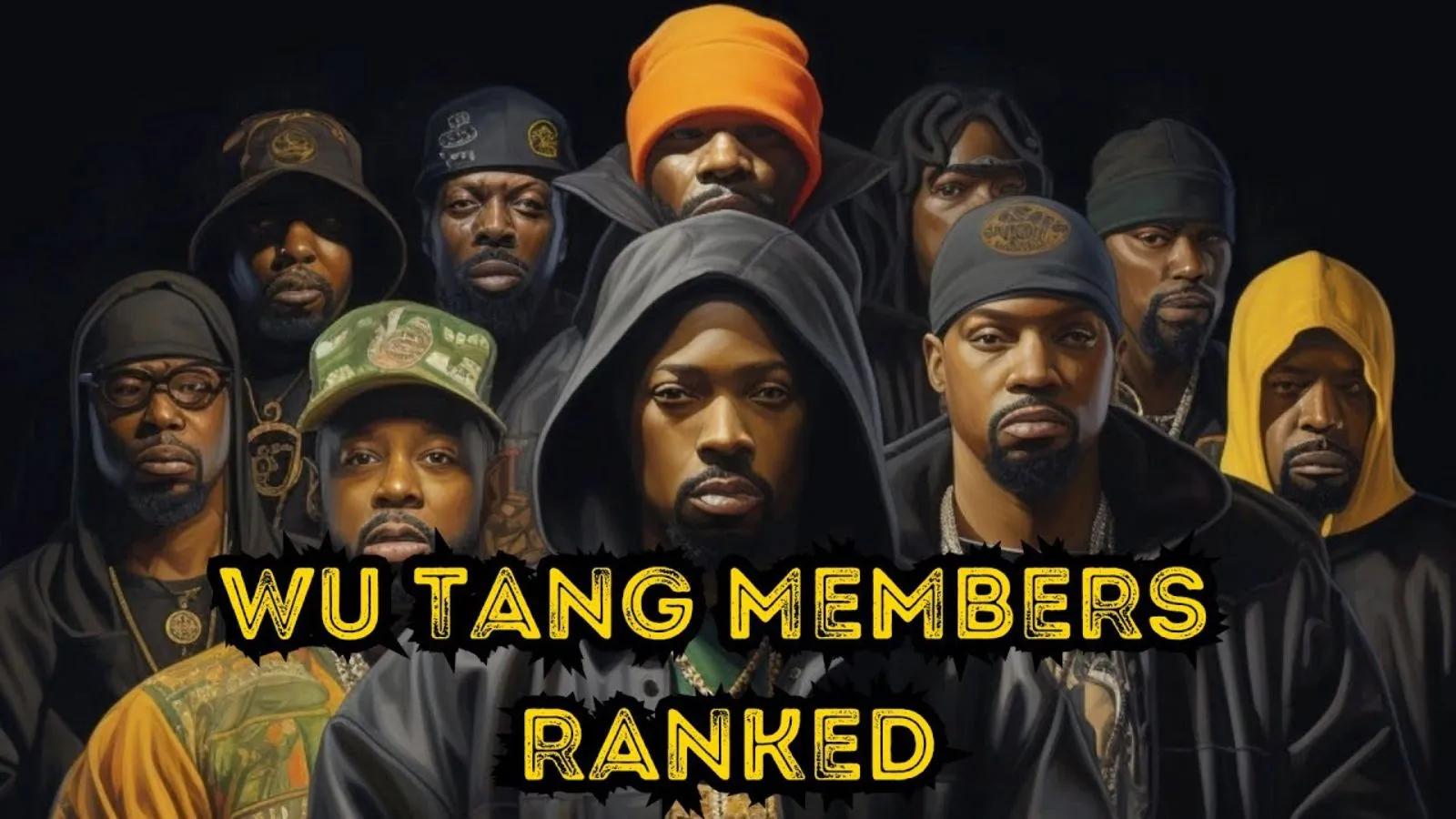
The term “Wu-Tang” is one of the most recognizable names in hip-hop culture, largely thanks to the legendary group Wu-Tang Clan. While many people instantly associate it with music, beats, and rap battles, its deeper meaning often goes unnoticed.
At first glance, “Wu-Tang” may seem like just a creative or catchy group name, but it actually carries strong cultural, historical, and philosophical roots.
The name has sparked curiosity for decades what does it really mean, and where did it come from? Is it connected to martial arts, Chinese history, or something symbolic within hip-hop identity wu-tang def.
The answer is a mix of all these influences, making it far more interesting than it appears. In this article, we’ll break down the true meaning of “Wu-Tang,” explore its origin, and understand why it became such an iconic name in global music culture camisole.
🟡 What Does Wu-Tang Mean?
The meaning of “Wu-Tang” is not a simple dictionary translation—it is a layered concept shaped by culture, symbolism, and artistic interpretation. The word is most famously associated with the hip-hop group Wu-Tang Clan, but its roots go much deeper than music.
In general interpretation, “Wu” is often linked with martial or warrior energy, representing strength, combat, and discipline. It reflects the idea of action, protection, and skill in battle. On the other hand, “Tang” is commonly connected with structure, order, and historical influence, often associated with Chinese dynastic culture. When combined, “Wu-Tang” can be understood as a symbolic phrase representing “martial discipline with structured power” or “warrior spirit guided by order wu tang meaning urban dictionary.
However, it is important to note that “Wu-Tang” is not a direct word-for-word translation from Chinese. Instead, it is inspired by martial arts philosophy and Eastern cultural themes that emphasize balance between strength and wisdom. This is why the name feels powerful, mysterious, and meaningful rather than purely linguistic.
In modern usage, especially in hip-hop culture, “Wu-Tang” has evolved into a symbol of identity, unity, and resilience. It represents more than just a name—it reflects a mindset of discipline, creativity, and survival in a competitive world. This deeper meaning is one of the key reasons why the name continues to attract curiosity and respect worldwide wu tang clan members real names.
🔵 Origin of the Word “Wu-Tang”
The origin of the word “Wu-Tang” is deeply influenced by Chinese martial arts culture, especially the imagery and philosophy found in classic kung fu cinema. Long before it became associated with the hip-hop world, the term was already being shaped by themes of warriors, discipline, and ancient fighting traditions. These elements later became a major inspiration for the iconic group Wu-Tang Clan.
One of the strongest influences behind the name comes from martial arts films that were widely popular in the late 1970s and 1980s. These movies often portrayed disciplined fighters who trained their minds and bodies to achieve mastery. The idea of combining physical strength with mental control left a strong impact on many artists and creatives, especially in urban culture.
“Wu-Tang” is also inspired by the philosophy often seen in Eastern traditions, where balance, patience, and inner strength are more important than raw power. Instead of focusing only on violence or combat, these stories highlight self-control, strategy, and honor.
When hip-hop artists discovered this concept, they found a powerful metaphor for their own environment. The streets of New York, where Wu-Tang Clan emerged, required survival skills, unity, and resilience camisoles. qualities that matched the warrior mindset from martial arts culture.
This connection between kung fu philosophy and real-life struggle helped shape the identity of Wu-Tang as more than just a music group. It became a symbol of strength, discipline, and cultural storytelling, blending Eastern inspiration with modern urban expression.
🔴 Wu-Tang Clan & the Meaning Behind the Name
The name “Wu-Tang” became globally famous through the influential hip-hop group Wu-Tang Clan, but for the members, it was never just a stylish title—it was an identity. The group formed in New York during the early 1990s and brought together multiple artists under one unified vision, which was rare in hip-hop at the time.
The choice of the name “Wu-Tang” was heavily inspired by martial arts culture and kung fu philosophy. The members were fascinated by kung fu movies, where warriors trained under strict discipline, mastered their skills, and lived by a code of honor. This idea of becoming mentally and physically strong resonated deeply with their own experiences growing up in challenging urban environments.
By adopting the name “Wu-Tang,” the group wanted to represent more than music—they wanted to represent a clan, similar to a martial arts family. This concept emphasized unity, loyalty, and collective strength. Instead of competing against each other, the members supported one another while also developing unique individual styles.
Each artist within the group brought a different personality and creative energy, but the “Wu-Tang” identity kept them connected under one powerful symbol. The name itself became a statement: strength comes from unity, discipline, and shared purpose.
Over time, the Wu-Tang identity evolved into a cultural movement. It influenced not only hip-hop but also fashion, branding, and global pop culture. What started as a name inspired by martial arts philosophy became one of the most respected and recognizable identities in music history.
🟣 Symbolism Behind Wu-Tang
The symbolism behind “Wu-Tang” goes far beyond its use as a group name for the hip-hop collective Wu-Tang Clan. It represents a mindset built on discipline, unity, and survival. At its core, Wu-Tang symbolizes the idea of a warrior—not just in a physical sense, but in mental strength, creativity, and resilience in everyday life.
One of the strongest symbolic meanings of Wu-Tang is the concept of the “inner warrior.” This idea reflects the belief that true strength comes from self-control, focus, and the ability to overcome challenges without losing direction. It mirrors the discipline found in martial arts, where training the mind is just as important as training the body.
Another key symbol is unity. The word “clan” emphasizes a family-like structure where individuals maintain their own identity but remain connected to a larger purpose. This balance between individuality and collective strength became a defining feature of Wu-Tang’s identity. Each member had their own style, yet together they formed a powerful and unified force.
Wu-Tang also symbolizes struggle and transformation. It reflects the journey from hardship to mastery, turning life experiences into art and expression. This is why the name resonates with so many people—it represents growth, resilience, and evolution.
In a broader sense, Wu-Tang has become a cultural symbol of originality and authenticity. It stands for creating your own path, staying disciplined, and building something meaningful even in difficult environments. This layered symbolism is what makes Wu-Tang more than just a name—it is a philosophy.
🟠 Cultural Impact of Wu-Tang
The cultural impact of “Wu-Tang” is massive, and it extends far beyond music. The hip-hop group Wu-Tang Clan didn’t just create albums—they helped reshape how people think about hip-hop identity, branding, and storytelling. Their influence can still be seen across music, fashion, and global pop culture today wu-tang clan members real names.
One of the biggest contributions Wu-Tang made was changing the structure of hip-hop groups. Instead of focusing on a single frontman, they introduced the idea of a collective where every member had equal importance. This approach inspired many future artists and groups to build more collaborative creative models.
Wu-Tang also had a strong influence on fashion and visual identity. Their iconic logo became a global symbol, recognized even by people who are not hip-hop fans. It represents street culture, authenticity, and artistic rebellion. The branding of Wu-Tang showed that a music group could become a full cultural movement.
In addition, Wu-Tang’s storytelling style brought cinematic and martial arts elements into hip-hop. Their lyrics often included references to kung fu films, philosophy, and street life, creating a unique blend that stood out in the music industry. This creative approach opened doors for more experimental and narrative-driven rap.
On a global level, Wu-Tang helped hip-hop reach new audiences. Their influence can be seen in fashion brands, gaming, films, and even internet culture. The phrase “Wu-Tang is forever” has become a symbol of lasting legacy, showing how deeply their impact continues to shape modern creativity wu tang members.
🟡 Common Myths About Wu-Tang
As the name “Wu-Tang” became globally famous through the hip-hop group Wu-Tang Clan, many misunderstandings and myths also started to spread around it. Because the name sounds mysterious and has Eastern influences, people often assume things about it that are not fully accurate.
One common myth is that “Wu-Tang” is just a random rap name with no deeper meaning. In reality, it is highly symbolic and inspired by martial arts philosophy, discipline, and cultural storytelling. It was carefully chosen to represent strength, unity, and identity, not just to sound unique.
Another misconception is that Wu-Tang promotes violence because of its association with “warrior” or “martial” themes. However, this interpretation is incomplete. The martial influence comes from kung fu cinema and philosophy, which focus more on discipline, honor, and mental control rather than aggression.
Some people also believe that “Wu-Tang” has a single fixed meaning or direct translation. In truth, it is more of a cultural fusion than a literal word. Its meaning changes depending on context—music, philosophy, or symbolism drum n bass.
There is also the idea that Wu-Tang is only relevant to hip-hop fans. In reality, its influence extends into fashion, film, internet culture, and global branding. The name has become a cultural symbol recognized worldwide, even outside music communities.
🟣 Wu-Tang in Modern Pop Culture
The influence of “Wu-Tang” continues to grow in modern pop culture, long after its rise in the 1990s through the legendary hip-hop group Wu-Tang Clan. What started as a music identity has now become a global cultural symbol that appears in fashion, entertainment, internet trends, and even everyday language.
In music, Wu-Tang’s legacy is still strongly felt. Many modern hip-hop and rap artists reference their style, storytelling techniques, and group-based creativity. Their approach to blending cinematic themes, street experiences, and philosophy has inspired a new generation of artists who want to create more than just songs—they want to build narratives.
Wu-Tang has also made a major impact in fashion and streetwear. Their logo is one of the most recognizable symbols in urban culture. It appears on clothing, accessories, and collaborations with major brands. This shows how a music group evolved into a full lifestyle identity.
In internet culture, Wu-Tang is often referenced in memes, quotes, and discussions. Phrases like “Wu-Tang is forever” have become symbolic of loyalty, legacy, and timeless influence. This digital presence keeps the name relevant even for younger audiences who may not know the full history.
Beyond music and fashion, Wu-Tang’s influence can also be seen in gaming, documentaries, and global media. Their story has been explored in TV series and films, introducing their philosophy and journey to new audiences members of wu-tang clan.
Today, Wu-Tang is no longer just a hip-hop group—it is a cultural movement that represents creativity, originality, and lasting impact across multiple generations.
🟢 Philosophical Interpretation of Wu-Tang
Beyond music and fame, “Wu-Tang” also carries a deeper philosophical meaning that reflects discipline, mindset, and personal growth. Through the influence of the hip-hop collective Wu-Tang Clan, the name has come to represent a way of thinking rather than just an artistic identity.
At its core, Wu-Tang philosophy is often connected to the idea of the “inner warrior.” This does not refer to physical fighting, but to mental strength, emotional control, and resilience in difficult situations. It teaches the importance of staying focused and disciplined, even when life becomes chaotic or unpredictable members of wu tang dnb drum and bass.
Another important part of this philosophy is self-mastery. The Wu-Tang mindset encourages individuals to understand themselves, improve continuously, and turn challenges into learning experiences. Just like martial artists train for years to perfect their skills, the Wu-Tang approach suggests that life itself is a long journey of practice and growth.
Unity is also a key philosophical element. The idea of a “clan” represents collective strength, where people support each other while still maintaining their individuality. This balance between personal identity and group harmony is a powerful life lesson that applies beyond music.
Additionally, Wu-Tang philosophy emphasizes creativity and originality. It encourages breaking boundaries, thinking differently, and building something meaningful from one’s environment and experiences.
In this way, Wu-Tang becomes more than a cultural symbol—it transforms into a mindset of discipline, unity, and continuous evolution. It represents the idea that true power comes from within, shaped by focus, knowledge, and purpose.
🔴 Legacy of Wu-Tang Clan
The legacy of “Wu-Tang” is one of the most powerful and long-lasting in modern music history. The hip-hop group Wu-Tang Clan did not just create songs—they built an entire cultural blueprint that continues to influence generations of artists, fans, and creators around the world.
One of the most important parts of their legacy is innovation. Wu-Tang changed how hip-hop groups function by introducing a collective model where each member had a unique identity but remained part of a unified system. This structure inspired countless artists and groups to think differently about collaboration and individuality in music.
Another key aspect of their legacy is storytelling. Wu-Tang brought cinematic depth to hip-hop by blending street experiences with martial arts imagery, philosophy, and symbolic language. This creative approach made their music more than entertainment—it became a form of cultural expression.
Their influence also extends to branding and business. The Wu-Tang logo is now an iconic symbol recognized worldwide. It represents authenticity, originality, and street culture. Few music groups have achieved this level of visual and cultural impact.
Even decades later, Wu-Tang continues to inspire new generations of musicians, producers, and fans. Their philosophy of discipline, unity, and creativity still resonates in modern hip-hop and beyond.
Perhaps the most powerful part of their legacy is their timeless relevance. The idea that “Wu-Tang is forever” reflects not just a slogan, but a cultural truth. Their impact has outgrown music and become a lasting symbol of creativity, resilience, and artistic freedom across the world.
🟡 FAQ About Wu-Tang Meaning
❓ What does Wu-Tang really mean?
“Wu-Tang” is a symbolic term inspired by martial arts culture and Eastern philosophy. It is best understood as representing discipline, warrior spirit, and structured strength, rather than a direct dictionary translation meaning of wu tang.
❓ Is Wu-Tang a Chinese word?
Not exactly. “Wu-Tang” is not a literal standard Chinese phrase. It is inspired by Chinese martial arts themes and kung fu culture, but its meaning has been shaped and reinterpreted in modern pop culture.
❓ Why did Wu-Tang Clan choose this name?
The hip-hop group Wu-Tang Clan chose the name to reflect martial arts discipline, unity, and strength. They were heavily inspired by kung fu movies and wanted a name that represented a “clan” with shared purpose and identity.
❓ What is the cultural meaning of Wu-Tang?
Culturally, Wu-Tang represents unity, resilience, creativity, and survival mindset. It combines street experiences with martial arts philosophy, making it a powerful identity in hip-hop culture.
❓ Does Wu-Tang promote violence?
No. Although it uses martial arts symbolism, Wu-Tang is more about discipline, control, and strategy rather than violence. The meaning is philosophical, not literal.
❓ Why is Wu-Tang so famous?
Wu-Tang became famous because of its unique music style, strong branding, and cultural influence. The group reshaped hip-hop by introducing storytelling, individuality, and a strong collective identity.
❓ What does “Wu-Tang is forever” mean?
It means the legacy, influence, and philosophy of Wu-Tang continues beyond music—it represents a timeless cultural movement.
🟢 Conclusion:
The meaning of “Wu-Tang” goes far beyond a simple name or music label. As seen through the journey of the hip-hop group Wu-Tang Clan, it represents a powerful blend of martial arts inspiration, cultural symbolism, and artistic identity what started as a concept influenced by kung fu films and Eastern philosophy has evolved into a global cultural movement wu-tang definition.
At its core, Wu-Tang symbolises discipline, unity, creativity, and resilience. It reflects the idea that true strength comes not only from skill or talent, but from mindset, focus, and collective purpose. This is why the name continues to resonate with fans across generations and cultures.
Today, Wu-Tang is more than just hip-hop history it is a lasting philosophy and identity that still influences music, fashion, and pop culture worldwide. Understanding its meaning helps us see why it remains one of the most iconic names in modern entertainment wu tang definition.

Chris Pickard is a digital entrepreneur associated with Pickupsy.com. He specialises in content creation and manages online blogs focused on trending topics, emoji meanings, and viral internet content.