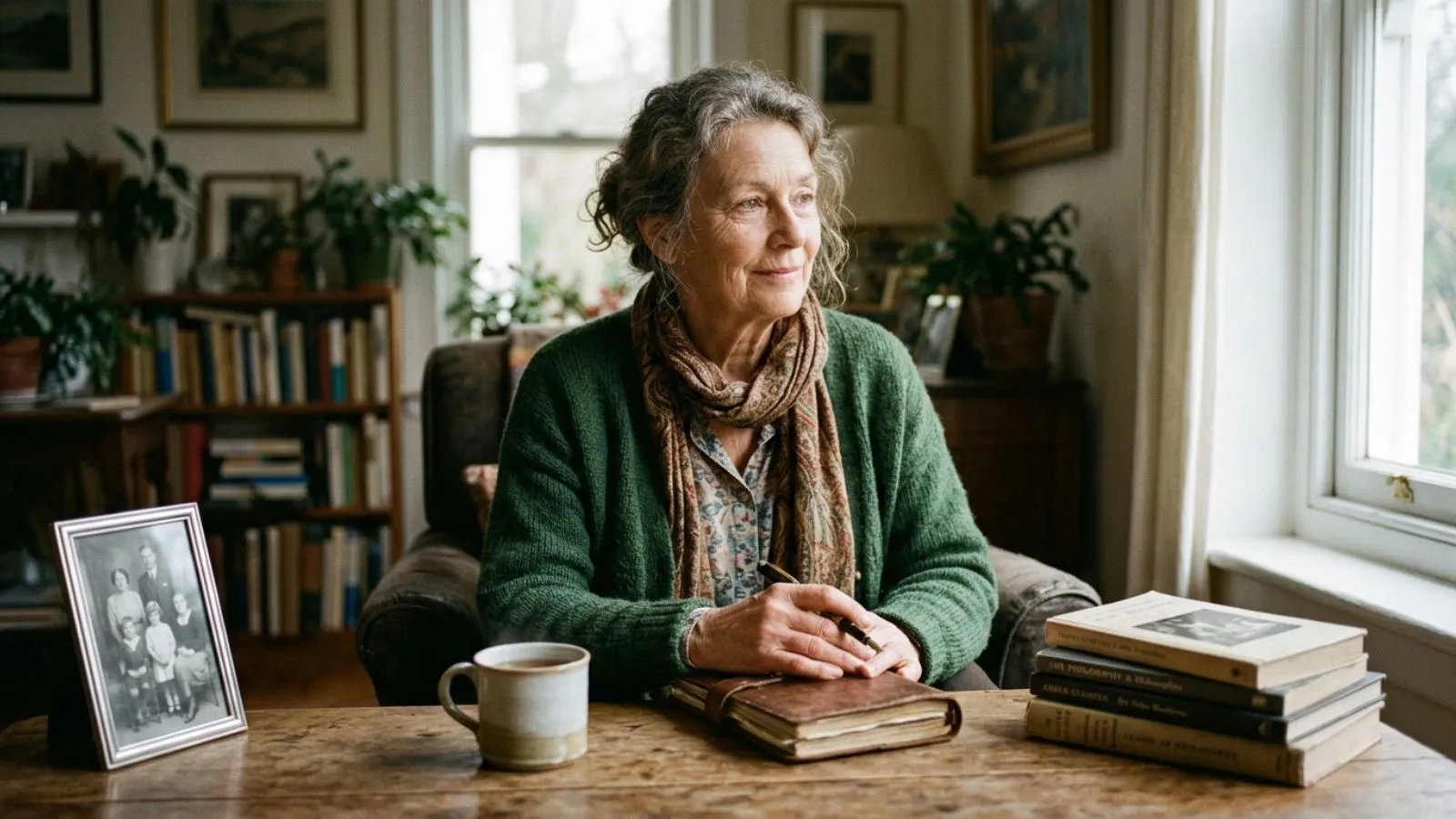
Have you ever felt like your thoughts don’t quite match the world around you, as if you’re moving at a different emotional frequency than everyone else? That feeling often leads people to search for the meaning of an “old soul.” An old soul is someone who seems to carry a deeper sense of understanding, maturity, and reflection that goes beyond their age.
They are often drawn to meaningful conversations, quiet moments, and experiences that have emotional depth rather than surface-level excitement. In a fast-paced modern world, old souls can feel slightly out of place, as if they belong to another time or mindset.
This article will explore what “old soul” really means, the key signs and traits, and why some people naturally think and feel this way. By the end, you’ll have a clear understanding of whether you relate to this unique personality type.
What Does “Old Soul” Mean?
The term “old soul” refers to a person who seems to have a level of emotional depth, wisdom, and maturity that feels beyond their actual age. It is not about how long someone has lived, but rather how they think, feel, and perceive the world around them. An old soul often values meaning over material things, depth over attention, and understanding over popularity.
In simple terms, an old soul is someone who feels “experienced” in life, even if they are young. They tend to think deeply about human behavior, relationships, and the purpose of life. While others may enjoy fast-paced trends, old souls are usually more drawn to calm environments, meaningful conversations, and timeless ideas.
The concept is often used in both psychological and spiritual discussions. From a psychological point of view, it can be linked to traits like high emotional intelligence, introspection, and strong empathy. Spiritually, some people believe an old soul has lived many “lifetimes,” giving them a sense of familiarity with life’s challenges and emotions.
However, being an old soul is not a scientific label or medical condition. Instead, it is a descriptive way to understand personality differences. It helps explain why some people feel disconnected from their generation or prefer solitude and reflection over social noise.
Origin and Concept of “Old Soul”
The idea of an “old soul” does not come from a single scientific theory, but rather from a mix of philosophy, spirituality, and modern personality discussions. Over time, different cultures and belief systems have used similar ideas to describe people who seem wise, calm, and deeply reflective beyond their age.
In spiritual traditions, especially those influenced by reincarnation beliefs, an old soul is often seen as someone who has lived many past lives. Because of this, they are believed to carry emotional memory, wisdom, and understanding into their current life. This is why old souls are sometimes described as naturally thoughtful, empathetic, and spiritually aware.
From a philosophical perspective, the concept connects to the idea that some individuals are naturally more reflective and introspective. Thinkers throughout history have observed that certain people are more drawn to meaning, ethics, and self-understanding rather than external success or social status.
In modern psychology and pop culture, the term has evolved into a personality description rather than a spiritual claim. It is commonly used on social media to describe people who feel “different” from their peers—often quieter, more observant, and emotionally deeper. While it is not a clinical or scientific category, it is still widely used because it helps people express a complex emotional experience in simple words.
Today, “old soul” has become a popular way to describe a mindset rather than an age or identity. It reflects how someone processes life—slowly, deeply, and with a strong sense of meaning.
Psychological Meaning of an Old Soul
From a psychological point of view, the idea of an old soul can be understood as a combination of personality traits rather than a fixed category. It is often linked with individuals who show high levels of self-awareness, emotional intelligence, and introspective thinking. These people tend to process experiences more deeply, analyzing not just what happens, but why it happens and how it affects others.
One key aspect of an old soul personality is cognitive depth. This means they naturally think beyond surface-level explanations and are more interested in meaning, patterns, and long-term consequences. They often reflect on life events for a longer time than others, which can make them more thoughtful but also more prone to overthinking.
Another important factor is empathy. Old souls usually have a strong ability to understand and feel the emotions of others. This emotional sensitivity allows them to connect deeply with people, but it can also make them feel emotionally overwhelmed in stressful or chaotic environments.
Psychologically, old souls may also share traits with introversion or highly sensitive personality types, although they are not the same thing. Introversion relates to energy and social interaction preferences, while being an old soul is more about emotional depth and perception of life.
Overall, psychology views the “old soul” idea as a descriptive way to understand individuals who are reflective, emotionally aware, and meaning-driven. It is not a diagnosable condition, but rather a useful concept to explain why some people naturally think and feel in a more mature, grounded, and thoughtful way compared to their peers.
Key Signs You Are an Old Soul
Many people relate to the idea of being an old soul without fully understanding why. While there is no official test, there are several common signs and patterns that often appear in people who identify with this personality type.
5.1 Social Behavior Signs
Old souls usually prefer deep, meaningful conversations over small talk. They may feel drained in large social gatherings and instead enjoy one-on-one interactions or quiet time alone. It is common for them to feel slightly “different” from their peers or not fully fit into typical social trends.
5.2 Emotional Signs
Emotionally, old souls tend to be highly empathetic and sensitive. They can easily understand what others are feeling and often put themselves in other people’s shoes. Because of this, they may feel emotions more deeply than others, both positive and negative.
5.3 Thinking Patterns
Old souls are often deep thinkers. They reflect a lot on life, purpose, and human behavior. Even simple situations can lead them to think in a philosophical or meaningful way. Overthinking is also common, as they analyze situations from multiple angles.
5.4 Lifestyle Preferences
They usually prefer calm and peaceful environments over noisy or chaotic ones. Many old souls enjoy music, art, or movies from earlier eras because they feel more meaningful or emotionally rich.
5.5 Inner Feeling
Perhaps the strongest sign is an inner feeling of being “older than your age”—as if your mindset, values, and emotional understanding do not match your generation.
Personality Traits of an Old Soul
People who are described as old souls often share a set of distinct personality traits that shape how they think, behave, and interact with the world. These traits are not rigid rules, but they appear consistently in individuals who relate to this concept.
One of the most noticeable traits is calmness under pressure. Old souls usually try to stay composed even in stressful situations. Instead of reacting quickly, they prefer to observe, think, and respond carefully. This makes them appear wise and grounded.
Another key trait is deep empathy. Old souls don’t just understand emotions on a surface level—they often feel what others are going through. This strong emotional awareness helps them build meaningful connections, but it can also make them emotionally sensitive.
They are also known for being highly introspective. Old souls spend a lot of time reflecting on their thoughts, actions, and life experiences. They enjoy self-awareness and are often interested in personal growth and understanding human behavior.
Wisdom and maturity are also commonly associated with them. Even at a younger age, old souls may give advice or perspectives that feel surprisingly thoughtful or insightful.
Creativity is another frequent trait. Many old souls express themselves through writing, music, art, or other creative outlets that allow them to explore emotions and ideas deeply.
Strengths and Challenges of Being an Old Soul
Being an old soul comes with a unique balance of strengths and challenges that shape how a person experiences life. On one hand, it can be a deeply meaningful way of seeing the world, but on the other hand, it can sometimes feel isolating or overwhelming.
Strengths
One of the biggest strengths of an old soul is emotional intelligence. They can easily understand their own emotions as well as the feelings of others, which helps them build strong and meaningful relationships. They are also known for their deep thinking ability, often seeing situations from multiple perspectives before making decisions.
Another strength is their calm and grounded nature. In stressful situations, old souls are more likely to stay composed and think logically rather than react impulsively. This makes them reliable and trustworthy in both personal and professional settings.
Old souls also tend to be creative and imaginative, often expressing their thoughts through writing, art, or music. Their natural curiosity about life helps them grow mentally and emotionally over time.
Challenges
Despite these strengths, there are also challenges. Old souls may often feel misunderstood or out of place, especially in fast-paced or trend-driven environments. They might struggle to connect with people who prefer lighter or more casual interactions.
Another common challenge is overthinking and emotional overload. Because they process things so deeply, they can become mentally exhausted or feel emotionally heavy at times. This can sometimes lead to loneliness, even when they are surrounded by people.
Old Soul vs Regular Personality Types
The concept of an old soul is often compared with more “typical” personality patterns to better understand how different people experience life. While everyone is unique, there are some clear differences in mindset, emotional depth, and behavior that help separate an old soul from a more conventional personality style.
In terms of thinking style, old souls tend to be deeply reflective. They analyze situations carefully, think about long-term consequences, and often look for meaning behind everyday events. In contrast, more regular or mainstream personality types may focus on immediate experiences, practical outcomes, or quick decision-making without deep analysis.
When it comes to social behavior, old souls usually prefer small, meaningful interactions rather than large social gatherings. They feel more comfortable in calm environments and often enjoy solitude. Other personality types may be more socially active, energized by group settings, and comfortable with casual conversations or networking.
Emotionally, old souls are typically more sensitive and empathetic. They feel emotions intensely and often connect deeply with others’ feelings. In comparison, other personality types may process emotions in a more balanced or less emotionally absorbing way.
Lifestyle preferences also differ. Old souls are often drawn to simplicity, depth, and authenticity, while more conventional personalities may enjoy fast-paced lifestyles, trends, and external stimulation.
Old Soul in the Modern World
Living as an old soul in today’s fast-paced, technology-driven world can feel both meaningful and challenging. Modern society is built around speed, constant communication, and instant gratification, while old souls naturally lean toward slower, deeper, and more thoughtful living. This difference often creates a sense of disconnect.
One major factor is technology and social media. While these tools connect people globally, they can also feel overwhelming for old souls. Constant notifications, trends, and superficial interactions may lead to mental fatigue. Instead of enjoying endless online activity, old souls often prefer meaningful conversations or offline moments of peace.
Another challenge is the pressure of modern social expectations. Today’s culture often values visibility, popularity, and fast success. Old souls, however, are usually more focused on personal growth, emotional depth, and long-term meaning. Because of this, they may feel like they are “moving at a different pace” compared to others.
Despite these challenges, the modern world also offers opportunities for old souls. The rise of mental health awareness, mindfulness practices, and creative platforms allows them to express themselves more freely. Many old souls find comfort in writing, art, music, or digital spaces where deeper expression is valued.
Ultimately, being an old soul in the modern world is about balance. It means learning how to stay grounded in your natural depth while adapting to a fast-moving environment. When managed well, this unique personality type can bring calmness, wisdom, and emotional clarity into an otherwise chaotic world, making old souls valuable in both personal and social spaces.
Is Being an Old Soul a Good Thing?
Being an old soul is not something that is strictly “good” or “bad”—it is simply a different way of experiencing life. Whether it feels positive or challenging often depends on how well a person understands and accepts their own personality.
On the positive side, old souls tend to have a strong sense of emotional maturity and inner awareness. They are often thoughtful, calm, and able to see situations from a deeper perspective. This helps them make wise decisions and build meaningful relationships. Many people admire old souls for their ability to stay grounded and understanding even in difficult situations.
Old souls also tend to value authenticity over superficiality. They are less interested in trends or popularity and more focused on real connections, personal growth, and emotional depth. This can lead to a more meaningful and intentional life experience.
However, there are also challenges. Old souls may sometimes feel isolated or misunderstood, especially in environments that prioritize speed, competition, or surface-level interaction. Their depth of thinking can also lead to overanalyzing situations or feeling emotionally overwhelmed.
Despite these challenges, being an old soul is not a limitation. In fact, it can be seen as a unique strength in a world that often moves too quickly. The key is learning how to balance inner depth with external engagement.
In the end, being an old soul is a reminder that there are many different ways to be human. It highlights the beauty of emotional depth, reflection, and wisdom—qualities that can make life more meaningful when embraced fully.
How to Embrace Being an Old Soul
Accepting and embracing the qualities of an old soul can turn what sometimes feels like a burden into a real strength. The first step is self-acceptance. Instead of seeing yourself as “different” in a negative way, recognize that your depth of thinking, emotional awareness, and reflective nature are valuable traits.
One important way to embrace this personality is by creating space for solitude. Old souls recharge and find clarity in quiet environments. Spending time alone—whether through journaling, walking, or simply reflecting—can help you understand your thoughts and emotions better without external pressure.
It is also helpful to connect with like-minded people. While not everyone will share the same level of depth, there are always individuals who value meaningful conversations and emotional honesty. Building even a few genuine connections can reduce feelings of isolation.
Another key step is learning to express your depth in healthy ways. Creativity can be especially powerful for old souls. Writing, music, art, or any form of self-expression can help release emotions and ideas that might otherwise stay inside.
At the same time, it is important to balance depth with simplicity. Not every situation requires deep analysis. Learning to enjoy lighter moments, humor, and everyday experiences can make life feel less heavy.
Finally, embracing being an old soul means understanding that your perspective is not a weakness. It is a unique way of seeing the world. When balanced properly, it allows you to live a more thoughtful, meaningful, and emotionally rich life while staying connected to the present world around you.
Common Misconceptions About Old Souls
The idea of an old soul is often misunderstood, especially in online discussions and social media. Because it is not a scientific or medical term, people sometimes attach meanings to it that are not accurate or complete.
One common misconception is that being an old soul is related to literal age or reincarnation only. While some spiritual beliefs connect old souls with past lives, in everyday use the term mainly describes a personality style—how someone thinks, feels, and interprets life—not proof of previous existence.
Another misunderstanding is that old souls are the same as introverts. Although many old souls enjoy solitude, not all introverts are old souls, and not all old souls are introverted. Introversion is about energy and social preference, while old soul traits are more about emotional depth and perspective.
Some people also believe that being an old soul makes someone superior or wiser than others. This is not true. Old souls are not better than anyone else; they simply process emotions and experiences differently. Every personality type has its own strengths and value.
There is also a misconception that old souls are always serious, sad, or disconnected from life. In reality, many old souls enjoy humor, creativity, relationships, and happiness—they just experience life in a more reflective and meaningful way.
Finally, some think it is a fixed identity. In truth, personality can change and evolve over time based on experiences, environment, and personal growth.
FAQs About Old Soul Meaning
What does “old soul” mean in simple words?
An old soul is someone who thinks, feels, and understands life in a deep and mature way, often beyond their actual age. They value meaning, wisdom, and emotional depth over surface-level things.
Are old souls rare?
Old souls are not officially measured, but they are often considered less common because their way of thinking is more reflective and introspective compared to the average personality style.
Can someone become an old soul?
You are usually not “trained” into being an old soul, but life experiences, personal growth, and reflection can develop old soul-like traits such as empathy, awareness, and deep thinking.
Is being an old soul a personality type?
No, it is not a formal psychological personality type. Instead, it is a descriptive term used to explain people who show emotional depth, wisdom, and introspective thinking.
Do old souls feel lonely?
Sometimes, yes. Because they think differently and prefer depth over casual interaction, old souls may feel misunderstood or isolated in certain environments. However, they often find comfort in solitude and meaningful connections.
What are the main traits of an old soul?
Common traits include deep thinking, empathy, emotional sensitivity, calm behavior, and a preference for meaningful conversations over small talk.
Is being an old soul a good thing?
It can be both a strength and a challenge. Old souls are often wise and emotionally aware, but they may also struggle with overthinking or feeling out of place in fast-paced environments.
Conclusion
The idea of an old soul is a simple yet powerful way to describe people who experience life with depth, reflection, and emotional awareness. It is not about age, but about how a person thinks, feels, and connects with the world around them. Old souls often prefer meaning over noise, calm over chaos, and understanding over superficial interaction.
Throughout this article, we explored what an old soul means, its possible origins, psychological perspective, key signs, personality traits, strengths, and challenges. We also looked at how old souls fit into the modern world and why this mindset can sometimes feel both special and isolating.
At its core, being an old soul is not a limitation it is a different lens through which life is experienced. It brings wisdom, empathy, and emotional depth, but also requires balance to avoid overthinking or emotional exhaustion
Continue Reading:
- Point of View Meaning Made Easy: Clear & Quick Guide
- Old Soul Meaning in Depth: Traits, Signs & Personality
- NO Contest Meaning Made Simple: What It Really Means

Chris Pickard is a digital entrepreneur associated with Pickupsy.com. He specialises in content creation and manages online blogs focused on trending topics, emoji meanings, and viral internet content.